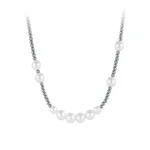


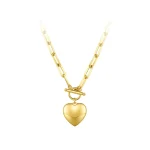
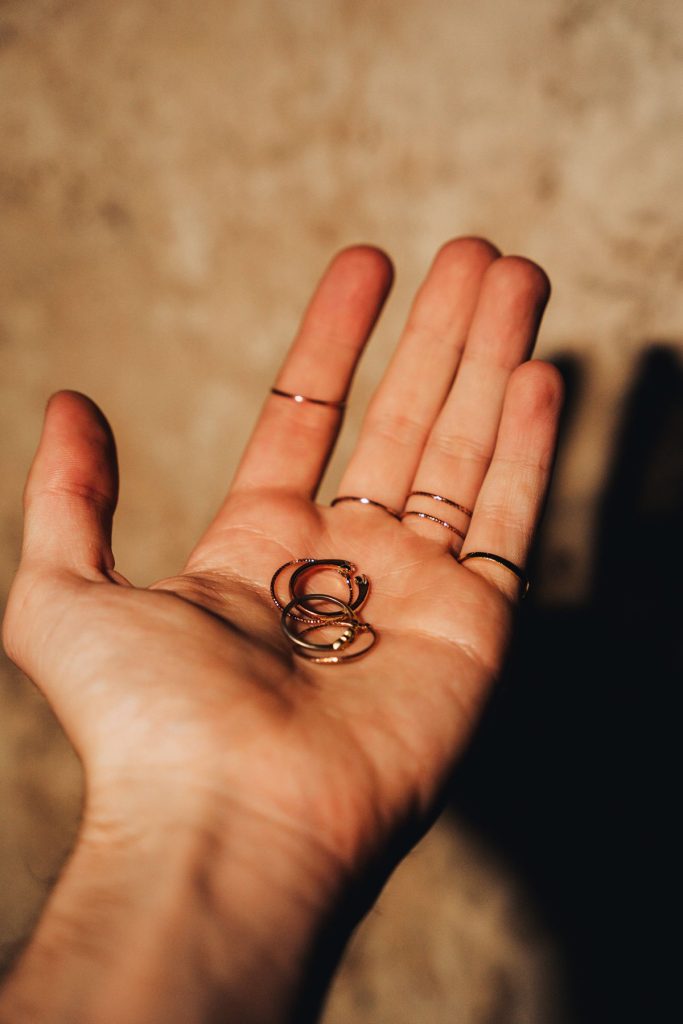
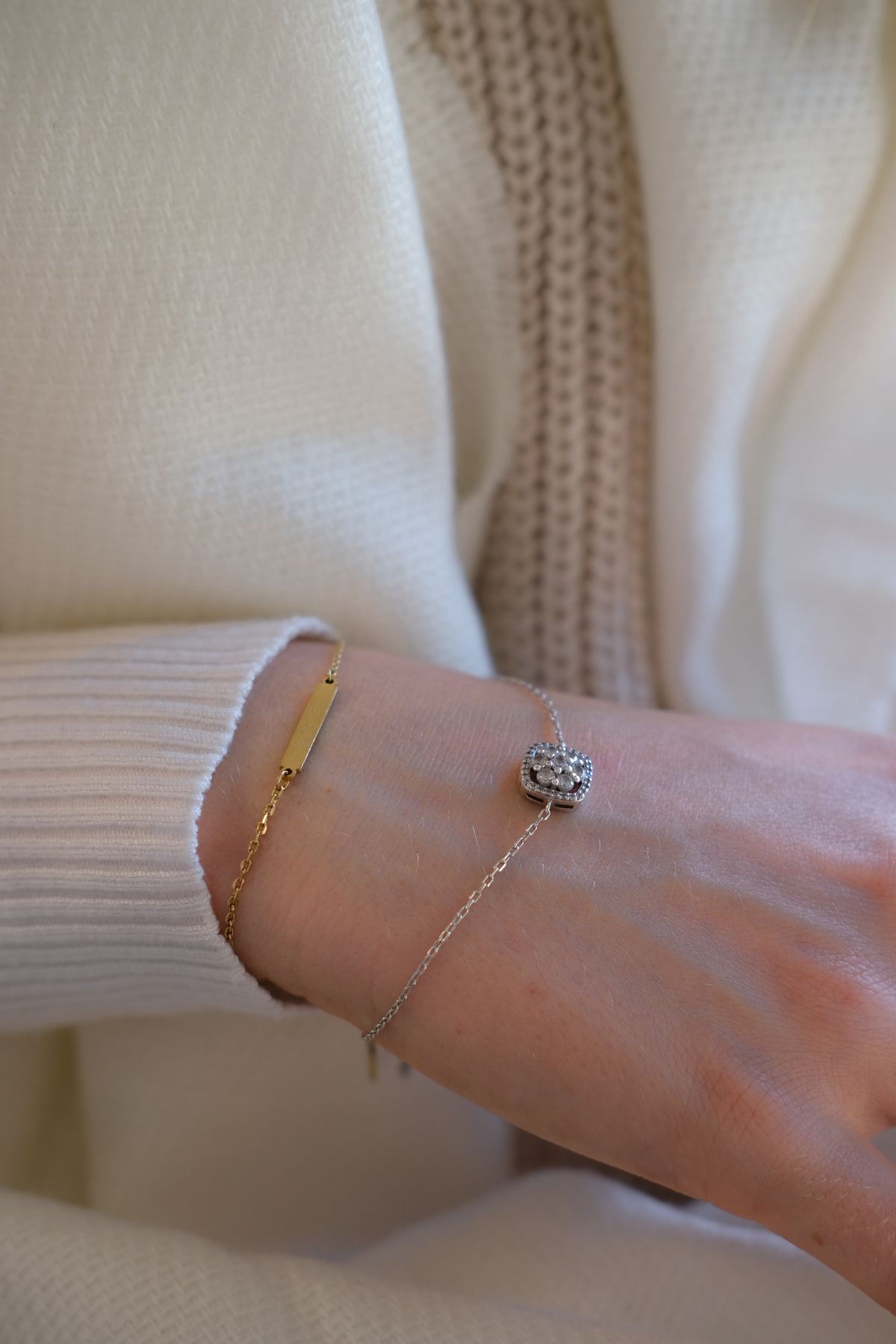
For decades, the golden rule of fashion was strict and unforgiving: never wear gold and silver jewellery together. Matching your metals was considered essential for a polished look. However, modern style has rewritten the rulebook. Mixing metals is no longer a fashion faux pas; it is a mark of effortless style confidence and creative self-expression.
At Glemes, we embrace this contemporary approach. Here are the new rules for seamlessly blending gold and silver pieces for a chic, intentional aesthetic.

1. Establish a Primary Base Metal
To keep mixed metals looking intentional rather than chaotic, select one dominant metal tone to lead your outfit, then use the second metal as an accent.
- The 70/30 Formula: Aim for roughly 70% of one metal and 30% of the other. For instance, if your foundation consists of Glemes 18K Gold layered chains and hoop earrings, introduce a single 925 Sterling Silver ring or cuff to break up the warmth with a cool, striking contrast.
2. Group Mixed Metals in One Focal Area
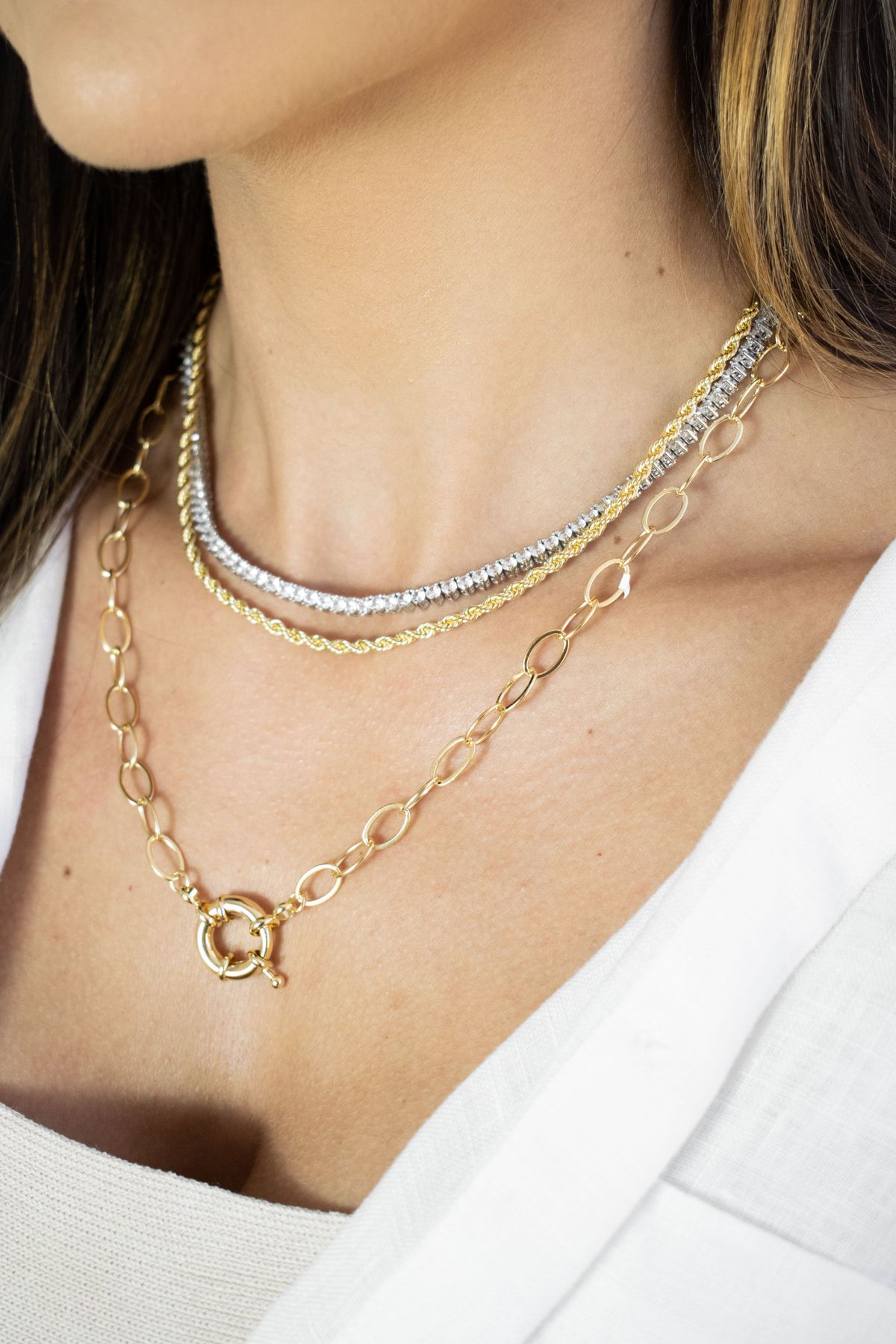
The easiest way to make mixed metals look harmonious is to cluster them together on the same part of your body.
- Stacking Rings: Alternating gold and silver bands on the same hand creates an eye-catching, textured look.
- Layering Necklaces: Combine a fine silver pendant chain with a warm gold choker. Because the two metals rest closely together, they appear curated rather than accidental.
3. Tie the Look Together with a Two-Tone Piece
If you feel hesitant about mixing metals, use a “bridge piece”—a single piece of jewellery that already incorporates both gold and silver tones, such as a two-tone chain or a dual-tone watch. A bridge piece naturally anchors the rest of your accessories, allowing you to freely pair gold earrings with silver bracelets without a second thought.
Break the Rules with Confidence
Mixing metals doubles your styling possibilities, letting you get twice as much wear out of your favourite Glemes collection. Have fun experimenting with contrasts and let your personal style lead the way!